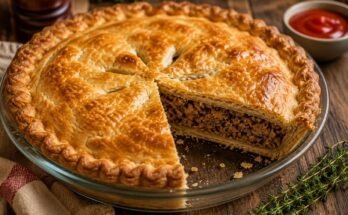
Fried Bannock Bread is a cherished traditional bread enjoyed across Canada and parts of North America. Known for its crisp golden crust and soft, fluffy interior, bannock is incredibly versatile and can be served as a breakfast item, side dish, snack, or even dessert. While its roots trace back to Scotland, bannock has become an important part of Indigenous cuisine in Canada, with many First Nations, Métis, and Inuit communities adapting the recipe over generations using locally available ingredients.
This comprehensive guide explains how to prepare homemade Fried Bannock Bread from scratch using simple pantry staples. You’ll also learn expert cooking techniques, ingredient substitutions, storage methods, serving suggestions, nutritional information, and answers to common questions so you can achieve excellent results every time.
What Is Fried Bannock Bread?
Fried Bannock Bread is a simple quick bread made without yeast. Instead, baking powder acts as the leavening agent, creating a light interior while frying produces a beautifully crisp exterior. The dough is easy to prepare and requires no proofing, making it a practical recipe for home cooks of all skill levels.

Why You’ll Love This Recipe
This homemade bannock recipe is easy to prepare and produces consistently delicious results. Whether you’re making it for breakfast or serving it alongside soups and stews, it’s a comforting bread that suits many occasions.
Highlights
- Crispy outside
- Soft and fluffy inside
- No yeast required
- Simple pantry ingredients
- Beginner friendly
- Ready in under one hour
- Freezer friendly
- Suitable for sweet or savory toppings
The History of Bannock Bread
Bannock originated in Scotland as a flatbread traditionally cooked on a griddle. Over time, Scottish settlers introduced the bread to Canada, where Indigenous communities adapted the recipe using locally available ingredients. Today, bannock remains an important food in many First Nations, Métis, and Inuit communities and is enjoyed in numerous regional variations across the country.
Ingredients
Preparing Fried Bannock Bread requires only a handful of basic ingredients commonly found in most kitchens.
| Ingredient | Quantity |
|---|---|
| All-purpose flour | 3 cups |
| Baking powder | 2 tablespoons |
| Salt | 1 teaspoon |
| Sugar (optional) | 1 tablespoon |
| Warm water or milk | 1¼ cups |
| Vegetable oil or melted butter | 2 tablespoons |
| Oil for frying | As needed |
Ingredient Notes
Each ingredient contributes to the bread’s texture, flavor, and appearance. Understanding their purpose helps ensure consistent results.
Flour
All-purpose flour provides the ideal balance between tenderness and structure.
Baking Powder
This gives bannock its light texture without requiring yeast.
Salt
Salt enhances flavor and balances the richness of the fried bread.
Sugar
A small amount adds subtle sweetness and promotes better browning.
Liquid
Warm water creates a traditional dough, while milk produces a richer, softer texture.
Kitchen Equipment
Gather these tools before you begin to make preparation and cooking more efficient.
- Large mixing bowl
- Measuring cups
- Measuring spoons
- Wooden spoon
- Rolling pin (optional)
- Sharp knife
- Heavy skillet or cast-iron pan
- Slotted spoon or tongs
- Cooling rack
- Paper towels
Step-by-Step Instructions
Follow these detailed steps for perfectly cooked Fried Bannock Bread.
Step 1: Combine the Dry Ingredients
Whisk together the flour, baking powder, salt, and sugar until evenly combined.
Step 2: Add the Wet Ingredients
Gradually add the warm water or milk along with the oil. Mix until a soft dough forms.
Step 3: Knead the Dough
Lightly knead the dough for one to two minutes until smooth. Avoid overworking it.
Step 4: Rest the Dough
Cover and let the dough rest for 10 to 15 minutes to relax the gluten, making it easier to shape.
Step 5: Shape the Dough
Flatten the dough into a circle about ½ inch thick. Cut into wedges or smaller rounds if desired.
Step 6: Heat the Oil
Heat about 1 inch of oil in a skillet over medium heat until it reaches approximately 350°F (175°C).
Step 7: Fry the Bannock
Carefully place the dough into the hot oil. Fry each side for about 2 to 3 minutes or until golden brown and cooked through.
Step 8: Drain and Serve
Transfer the fried bannock to a paper towel-lined plate or cooling rack to remove excess oil before serving warm.
Expert Tips for Perfect Bannock
A few simple techniques can elevate homemade bannock from good to exceptional.
- Measure flour accurately.
- Do not over-knead the dough.
- Rest the dough before frying.
- Maintain consistent oil temperature.
- Avoid overcrowding the pan.
- Drain well after frying.
- Serve warm for the best texture.
Common Mistakes to Avoid
Avoid these common issues for better results every time.
- Using too much flour
- Overmixing the dough
- Frying at low oil temperature
- Frying at excessively high heat
- Skipping the resting period
- Cutting pieces too thick
- Not draining excess oil
Delicious Variations
Bannock is highly adaptable and can be customized to suit different tastes.
Herb Bannock
Add chopped parsley, rosemary, thyme, or chives.
Cheese Bannock
Mix shredded cheddar or mozzarella into the dough.
Garlic Bannock
Incorporate garlic powder and brush with garlic butter after frying.
Cinnamon Sugar Bannock
Coat warm bannock with cinnamon sugar for a dessert-style treat.
Raisin Bannock
Fold raisins or dried cranberries into the dough before frying.
What to Serve with Fried Bannock Bread
Fried bannock pairs well with many traditional and modern dishes.
- Beef stew
- Chili
- Soup
- Scrambled eggs
- Bacon
- Smoked salmon
- Grilled meats
- Roast chicken
- Baked beans
- Fresh salad
Sweet Topping Ideas
If serving bannock as a breakfast or dessert, these toppings are excellent choices.
- Butter
- Maple syrup
- Honey
- Jam
- Fresh berries
- Powdered sugar
- Cinnamon sugar
- Nutella
- Peanut butter
- Whipped cream
Savory Serving Ideas
For a savory meal, pair bannock with flavorful toppings and fillings.
- Garlic butter
- Herb butter
- Pulled pork
- Shredded chicken
- Cheese
- Fried eggs
- Avocado
- Smoked salmon
- Cream cheese
Make-Ahead Instructions
The dough can be prepared several hours ahead and refrigerated until ready to cook. Allow it to come close to room temperature before frying for the best results.
Storage Guide
Proper storage helps maintain freshness and texture.
- Room temperature: Up to 2 days in an airtight container.
- Refrigerator: Up to 5 days.
Freezing Instructions
Cool the bannock completely before freezing. Wrap each piece individually and store in a freezer-safe bag for up to 3 months.
Reheating Methods
Reheat using one of these methods to restore the bread’s texture.
- Oven: 350°F (175°C) for 8–10 minutes.
- Air fryer: 3–5 minutes.
- Skillet: Warm over medium-low heat.
- Microwave: 20–30 seconds (softest result).
Nutritional Information
The following values are approximate for one serving and may vary depending on ingredients and frying method.
| Nutrient | Amount |
|---|---|
| Calories | 280 kcal |
| Carbohydrates | 38 g |
| Protein | 6 g |
| Fat | 11 g |
| Saturated Fat | 2 g |
| Fiber | 2 g |
| Sodium | 420 mg |
Healthier Alternatives
If you’d like a lighter version, consider these ingredient swaps and cooking methods.
- Bake instead of fry.
- Use whole wheat flour for part of the flour.
- Reduce the amount of sugar.
- Cook in an air fryer with a light coating of oil.
- Use heart-healthy oils such as canola or avocado oil.
Gluten-Free Version
A gluten-free all-purpose flour blend containing xanthan gum can replace regular flour. The dough may require slight adjustments to the liquid for the right consistency.
Dairy-Free Version
Prepare the dough using water or an unsweetened plant-based milk and replace butter with vegetable oil or dairy-free margarine if needed.
Frequently Asked Questions
This section answers some of the most common questions about making Fried Bannock Bread successfully.
Final Thoughts
Fried Bannock Bread is a timeless recipe that combines simple ingredients with rich culinary tradition. Its crisp exterior, soft interior, and remarkable versatility make it suitable for breakfast, lunch, dinner, or dessert. Whether served with savory stews, topped with butter and maple syrup, or enjoyed as a snack on its own, homemade bannock is both satisfying and easy to prepare.
By following the techniques and tips in this guide, you’ll be able to create consistently delicious Fried Bannock Bread that honors tradition while fitting perfectly into today’s home kitchens.